

Driving with a poor record is a stressful and expensive experience. If you have a history of moving violations, accidents, or other serious offenses, you’ll likely need to navigate the world of car insurance for bad drivers. While these policies are more expensive, they are essential to maintaining your legal driving privileges. Ignoring this need leads to severe legal and financial consequences, including license suspension or revocation.
As Featured in






Why Your Rate Just Jumped
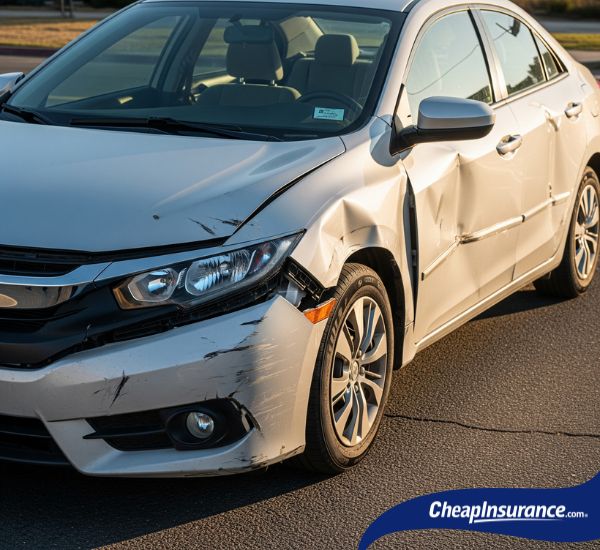
Insurance for bad drivers, also known as non-standard auto insurance, is usually a requirement after specific mess-ups.
- No Insurance: Even one gap in coverage makes you a risk. In 2026, California’s automated DMV system tracks insurance lapses in real-time.
- At-Fault Wrecks: One crash can hike your premium by 20% or more.
- DUI/DWI: This is the big one. A conviction labels you high-risk instantly. In 2026, California’s “Admin Per Se” laws mean your license can be suspended before you even step into a courtroom.
The 2026 California Liability Shift
If you’re a high-risk driver in California this year, the “Protect California Drivers Act” (SB 1107) has changed the game. The old, cheap minimums are gone. Every non-standard policy must now meet these 30/60/15 limits:
- $30,000 for one person’s injuries.
- $60,000 for all injuries per accident.
- $15,000 for property damage.
Because of these higher limits, bad-record drivers are seeing monthly premiums for basic liability hit $120 to $200.
Do You Need Collison and Comprehensive Coverage?
Fausto Bucheli Jr, licensed insurance broker and owner of CheapInsurance.com, recommends: “Collision and comprehensive coverage should protect your financial stability, not drain it. If your car is older and paid off, adjusting or removing these coverages can reduce your car insurance costs by hundreds of dollars per year without increasing your real financial risk.”

| Scenario | Recommendation |
|---|---|
| Car is financed or leased | Yes – Required by lender |
| Car worth >$4,000 and you can’t afford to replace it | Yes – Strongly recommended |
| Car worth <$3,000 and you have emergency savings | Optional – Consider dropping |
| Older vehicle paid off with low value | Optional – Liability only may be enough |
High-Risk Coverage Options
You aren’t stuck with just one choice.
- SR-22 Certificate: This isn’t insurance. It’s a “tattletale” form your insurer files with the DMV. If you cancel your policy, the DMV knows immediately.
- Non-Standard Policies: These are for the drivers that major carriers won’t touch. Companies like Mercury or Dairyland specialize here.
- Comprehensive: If you have a car loan, the bank will force you to carry this to protect their collateral.
Strategies to Lower the Bill
You can still find a better deal if you’re smart about it.
- Telematics: Many 2026 policies use “Usage-Based Insurance.” If you let an app track your driving, you can prove you’ve changed your habits and save up to 30%.
- Defensive Driving: Complete a state-approved course. It usually knocks 5% to 10% off.
- The CLCA Program: If your income is under $39,125 (for a single person) in 2026, you might qualify for California’s Low Cost Auto Insurance. It’s the cheapest way to stay legal, even with a spotty record.
- Higher Deductibles: If you can swing a $1,000 out-of-pocket cost, your monthly premium will drop significantly.
Founded in California in 1974 as an insurance agency, CheapInsurance.com has spent decades helping people find affordable coverage. Over time, we became one of the first brokerages to go online in 1998, making insurance shopping faster and easier.
Our mission has always been simple: insurance is a basic necessity, not a luxury. That’s why our technology quickly scans the marketplace in seconds, compares rates, and uncovers discounts that might otherwise be missed. In addition, we explain coverage in clear, simple terms.
As a result, people get real options and can avoid overpaying for features they do not need, while still maintaining strong, reliable protection.
Frequently Asked Questions About Car Insurance for a Bad Driving Record
Can I get car insurance if I have a bad driving record?
Yes, drivers with a bad driving record can still obtain car insurance, though coverage options may be limited and rates can be higher. Insurance companies may classify you as high-risk, but shopping multiple carriers can help you find affordable options.
How does a bad driving record affect my insurance rates?
A poor driving record typically results in higher insurance rates because insurers see you as more likely to file a claim. Traffic violations, accidents, or DUIs can increase your premiums, sometimes significantly, depending on the severity and frequency of incidents.
Are there ways to lower insurance costs with a bad driving record?
Yes, you can reduce your insurance costs by maintaining continuous coverage, taking defensive driving courses, increasing deductibles, bundling policies, and comparing quotes from multiple insurers to find the most competitive rates.
By
Published
Reviewed By
