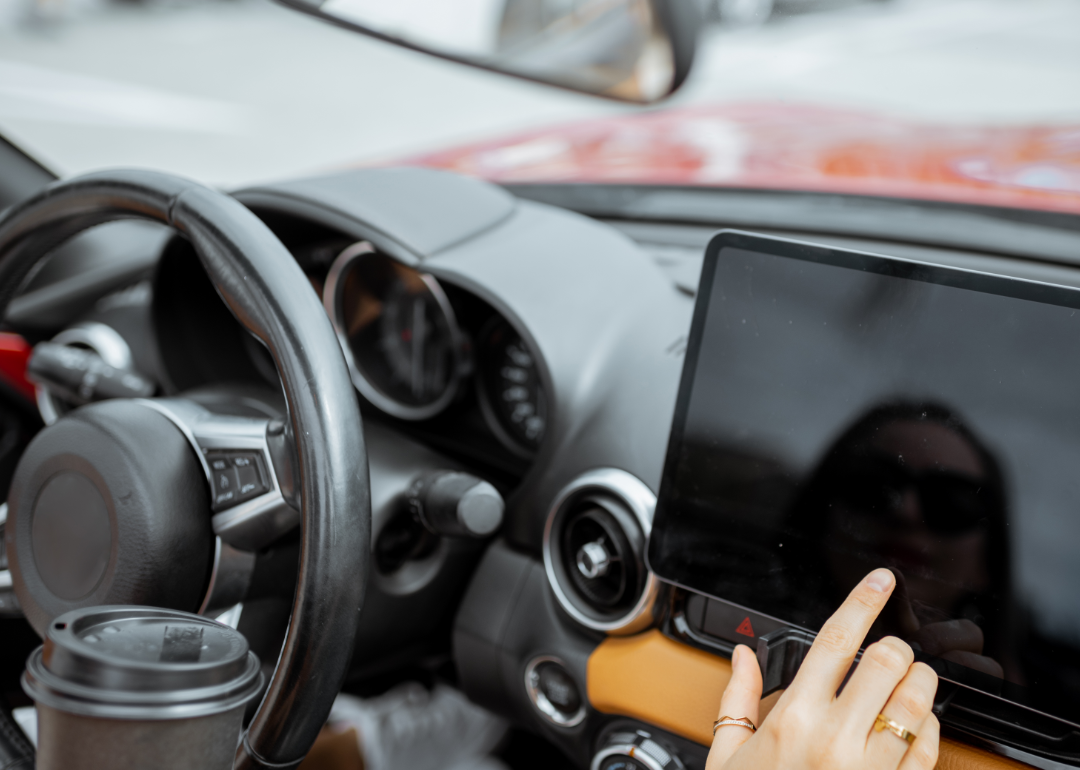
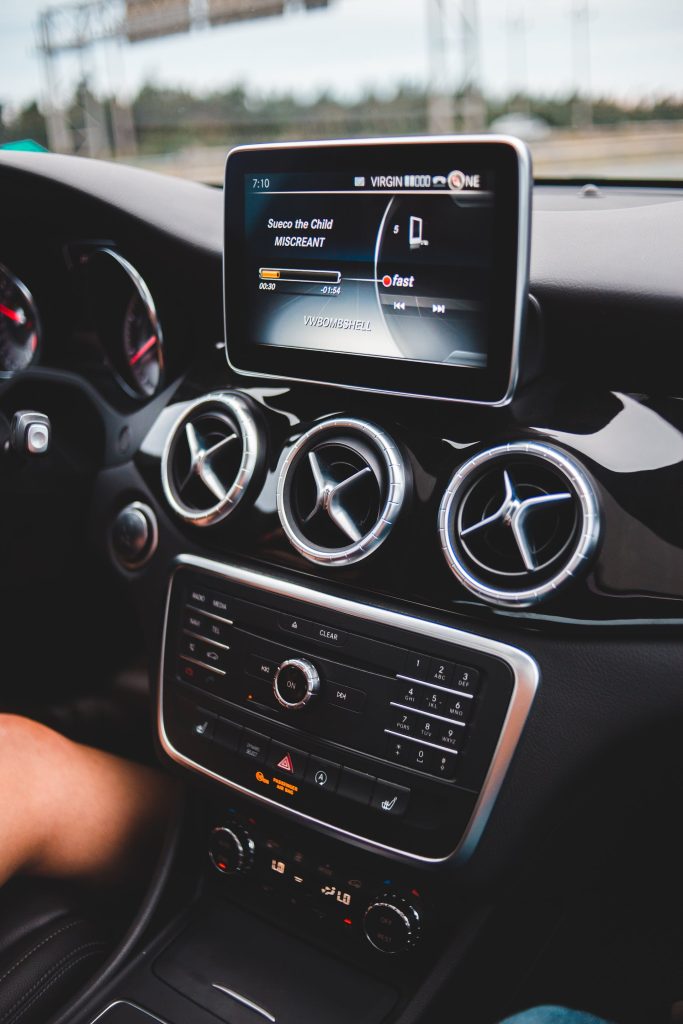
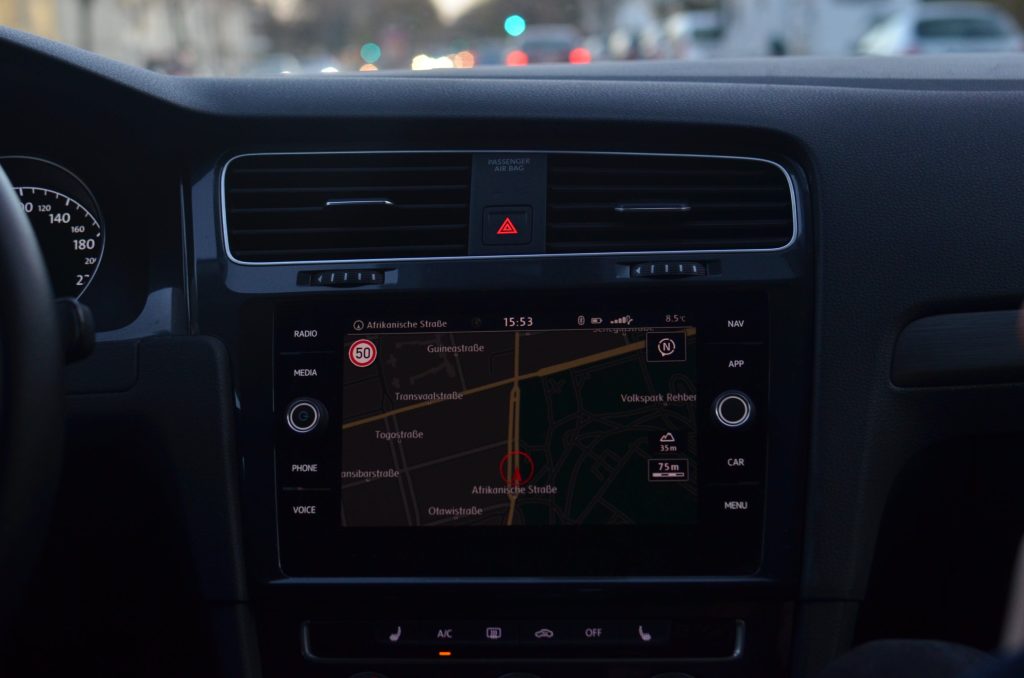
Vehicle cabins have undergone a total transformation over the last decade. Analog dials and tactile buttons are largely gone, replaced by expansive glass panels that control everything from climate settings to navigation. While these sleek vehicle touchscreens align with the aesthetic of the current automotive market, they introduce a complex set of challenges for both road safety and the insurance industry. Understanding the relationship between these screens and car insurance rates is essential for any policyholder looking to manage their total cost of ownership with CheapInsurance.com.
As Featured in
The Quantifiable Risk of Cognitive Distraction
Safety experts and insurance underwriters closely analyze the “glance time” required to operate vehicle features. Traditional buttons allowed drivers to adjust settings using tactile memory alone. In contrast, touchscreens lack physical landmarks, forcing drivers to look away from the road to confirm digital selections.
Several factors increase the risk profile of screen-heavy vehicles:
Visual Demand: Locating specific menus removes a driver’s eyes from the road for critical seconds.
Cognitive Load: Processing digital menus requires more mental energy than reaching for a physical knob.
Reaction Delay: Distracted drivers take significantly longer to apply brakes when hazards appear.
Insurance rates reflect the probability of an accident. Consequently, vehicles that encourage driver distraction face upward pressure on liability and collision premiums.
CheapInsurance.com by the Numbers
Data Analysis: Annual Savings from Car Insurance Comparison Sites
According to Fausto Bucheli Jr, a licensed insurance broker and owner of CheapInsurance.com, the math is clear.
“When drivers compare quotes, they are not just browsing, they are activating competition. Based on current savings data from leading comparison platforms, the average driver could save around $774 dollars per year simply by shopping smarter. That is real money staying in your pocket.”
High Tech Components and Claims Severity
Modern insurance pricing depends heavily on repair costs, often called “claims severity.” Older dashboards used static plastic and foam, but modern versions house sophisticated computers and delicate processors.
This technology directly impacts several insurance costs:
Replacement Costs: High-definition displays can cost thousands of dollars to replace after minor collisions.
Calibration Fees: Technicians must spend extra hours calibrating software to ensure screens communicate with safety sensors.
Total Loss Thresholds: Expensive interior components cause insurers to declare total losses more frequently after moderate accidents.
How Infotainment Systems Impact Underwriting Models
Insurance carriers utilize sophisticated data sets to track how different vehicle models perform in the real world. Analysts investigate whether vehicle interfaces contribute to spikes in rear-end collisions for specific models.
Some manufacturers move secondary functions, like headlight controls and wiper speeds, into touchscreen menus. Safety organizations now scrutinize these design choices. If a car’s layout hinders safe operation, underwriters may place it into a higher risk category. Two cars with identical retail prices could carry vastly different insurance costs based on their dashboard interaction.
Mitigating the Financial Impact of Dashboard Technology
Consumers can ensure high-tech vehicles do not lead to unmanageable insurance bills. Selecting a vehicle that balances touchscreens with redundant physical controls represents a wise financial move. Many manufacturers now return to “hard buttons” for critical safety and comfort functions.
To lower the risk of premium increases, drivers should consider the following:
- Voice Command Integration: Using voice controls for navigation and music keeps the eyes on the road and reduces the risk of a distraction-related claim.
- Driver Monitoring Systems: Vehicles equipped with cameras that detect driver fatigue or distraction often qualify for better safety ratings.
- Pre-Trip Adjustments: Finalizing all screen settings before the vehicle is in motion significantly reduces the likelihood of an accident.
Furthermore, the presence of Driver Monitoring Systems can act as a counterbalance to the distractions of a large screen. Because these systems actively work to prevent the accidents that touchscreens might cause, they are increasingly recognized as a valid safety feature that can qualify a driver for specific policy discounts.
Comparing Policies for Tech Forward Vehicles
Not every insurance provider views touchscreen technology through the same lens. Some carriers price aggressively for high-repair-cost vehicles, while others prioritize the driver’s personal history.
When shopping for insurance, keep these points in mind:
Compare Car Insurance Quotes: Underwriters value technology and safety features using varying mathematical formulas.
Inquire About Telematics: Programs tracking actual behavior prove to insurers that drivers remain focused.
Verify Safety Discounts: Some carriers offer specific discounts for vehicles with high user-interface safety marks.
Founded in California in 1974 as an insurance agency, CheapInsurance.com has spent decades helping people find affordable coverage. Over time, we became one of the first brokerages to go online in 1998, making insurance shopping faster and easier.
Our mission has always been simple: insurance is a basic necessity, not a luxury. That’s why our technology quickly scans the marketplace in seconds, compares rates, and uncovers discounts that might otherwise be missed. In addition, we explain coverage in clear, simple terms.
As a result, people get real options and can avoid overpaying for features they do not need, while still maintaining strong, reliable protection.
Frequently Asked Questions About Vehicle Touchscreens
Do vehicle touchscreens distract drivers more than traditional controls?
Vehicle touchscreens can increase distraction because they require drivers to look away from the road to operate. Traditional buttons and knobs are often safer as they allow drivers to control functions by feel without taking their eyes off the road.
Are touchscreens safer in newer vehicles with advanced driver-assistance systems?
Advanced driver-assistance systems like lane-keeping assist and adaptive cruise control can help reduce risk, but they do not eliminate distractions caused by touchscreens. Drivers still need to remain attentive and avoid extended interactions with the screen while driving.
Can manufacturers make touchscreens safer for drivers?
Yes, automakers can design touchscreens with simpler interfaces, larger buttons, voice controls, and haptic feedback to minimize distraction. Reducing the need for complex interactions while driving helps improve overall safety.
By
Published
Reviewed By