

QUICK ANSWER
If your stolen car is recovered before your insurance claim is paid, the insurer will typically cover the cost of repairs for any damage sustained, minus your deductible. However, if the car is found after you have already received a payout, the vehicle legally belongs to the insurance company. In some cases, insurers may offer you the option to buy back the recovered car at its salvage value if you wish to keep it.
As Featured in






Car theft is a reality that causes massive disruption. It is stressful. However, there is a silver lining in the data. Recent statistics indicate that over half of stolen vehicles eventually turn up. This guide from CheapInsurance.com outlines the necessary steps to take if a vehicle vanishes and how the claims process works if it is later recovered.
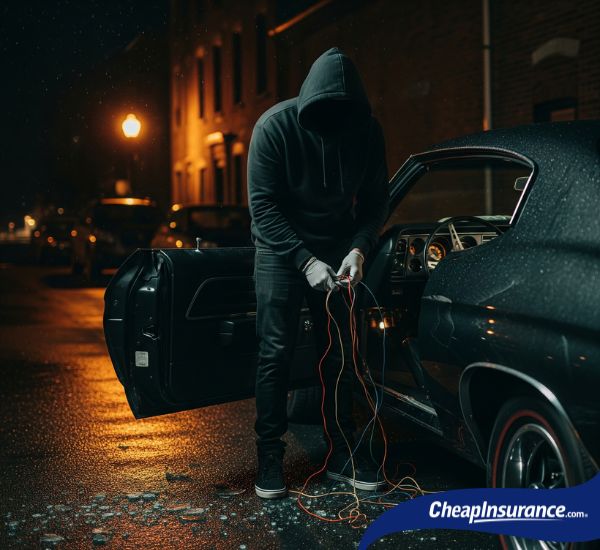
Immediate Steps to Take After Your Car Is Stolen
Action must be swift. Taking the right steps immediately after a theft can increase the recovery odds and protect your financial interests. Familiarizing yourself with insurance terms before a crisis happens is always a wise move.
Step 1: File a Police Report Immediately
Call the authorities the moment you realize the car is gone. This report is the foundation of your claim. You will need the Vehicle Identification Number (VIN), license plate, and a description of any custom parts. Always keep the case number for your records.
Step 2: Contact the Insurance Carrier Within 24 Hours
Notify your insurer even if you do not have theft coverage. This protects you from liability if the thief crashes into someone else. Most companies have a 30-day waiting period before they pay out. This allows time for a potential recovery.
Step 3: Notify the Lienholder
If you lease or finance, call the bank. You must continue making payments until the insurance claim is finalized. Give them your claim number so they can talk to the insurer directly.
Step 4: Alert the DMV
Report the theft to the state. This stops the thief from trying to register the car in another name. It also clears you of any tickets or toll violations the thief might rack up.
What Happens When Your Stolen Car is Recovered?
The process shifts the moment the car is located. The outcome depends on whether you have already received a check.
1. Recovery Before the Payout
If the police find the car while the claim is pending, the insurer stops the payment process. They will send an adjuster to look for damage. If the damage is minor, they pay for repairs minus your deductible. If the car is trashed, they declare it a total loss and pay you the actual cash value.
2. Recovery After the Payout
If the insurance check has cleared, the car belongs to the insurance company. They now own the title. You can sometimes buy it back at its salvage value, but the car will have a branded title. This makes it harder to sell or insure later.
How Different Coverages Handle Theft
Protection levels vary. Not every policy covers vehicle theft or the items inside.
- Comprehensive Coverage: This is the only part of a policy that pays to replace a stolen car. It also covers repair costs for a broken window or a mangled ignition.
- Gap Insurance: This pays the difference between what you owe on a loan and the car’s actual value. It is vital for newer cars.
- Homeowners Insurance: Your car insurance does not cover personal items left in the seat. You have to file a separate claim with your home or renters policy for a stolen laptop or phone.
According to Fausto Bucheli Jr, a licensed insurance broker and owner of CheapInsurance.com, the math is clear.
“When drivers compare quotes, they are not just browsing, they are activating competition. Based on current savings data from leading comparison platforms, the average driver could save around $774 dollars per year simply by shopping smarter. That is real money staying in your pocket.”
The reason comparison sites can generate this level of savings is simple. Insurance companies price risk differently. One carrier may heavily penalize a prior claim, while another may be more forgiving. One company may offer strong discounts for safe driving or bundling, while another may focus on credit based pricing or mileage driven.
Will Your Insurance Rates Increase?
A theft claim is usually “not-at-fault.” This means it is less likely to spike your rates than a collision. However, the risk profile of your neighborhood might change. If theft is rising in your area, premiums across the board could go up.
Success in this situation comes down to persistence and keeping good records. If your rates do climb after a claim, the best move is to shop around. Comparing options is the only way to ensure you are still getting a fair deal.
CheapInsurance.com by the Numbers
Data Analysis: Annual Savings from Car Insurance Comparison Sites
Founded in California in 1974 as an insurance agency, CheapInsurance.com has spent decades helping people find affordable coverage. Over time, we became one of the first brokerages to go online in 1998, making insurance shopping faster and easier.
Our mission has always been simple: insurance is a basic necessity, not a luxury. That’s why our technology quickly scans the marketplace in seconds, compares rates, and uncovers discounts that might otherwise be missed. In addition, we explain coverage in clear, simple terms.
As a result, people get real options and can avoid overpaying for features they do not need, while still maintaining strong, reliable protection.
Frequently Asked Questions: Stolen Car Recovery
What happens if my car is recovered after the insurance company has paid my claim?
If the insurance company has already paid you, they legally own the vehicle. They have the right to sell the recovered car at auction, though some insurers may offer you a buyback option at its 'salvage' value.
Can I reject a recovered car and insist on getting a new one?
No, you cannot simply reject a recovered car. The insurer's obligation is to restore you to your financial position before the loss. If the car can be repaired (cost of repairs is less than the total loss threshold), they will pay for the repairs minus your comprehensive deductible.
Will my insurance rates increase after filing a comprehensive claim for theft?
A comprehensive theft claim is generally considered 'not-at-fault,' making it less likely to cause a significant premium increase than an at-fault collision claim. However, rates can still rise if your insurer sees you as a higher risk or due to loss of a 'claims-free' discount.
