



QUICK ANSWER
Intelligent Transportation Systems (ITS) utilize sensors, cameras, and communication technology to improve traffic flow and road safety. By reducing congestion and preventing accidents through features like smart signals and real-time hazard warnings, ITS aims to lower the number of insurance claims. As road safety improves and accident rates decrease, insurance companies may lower premiums, and telematics programs can further reward drivers who operate in these safer, managed environments.
AS FEATURED IN

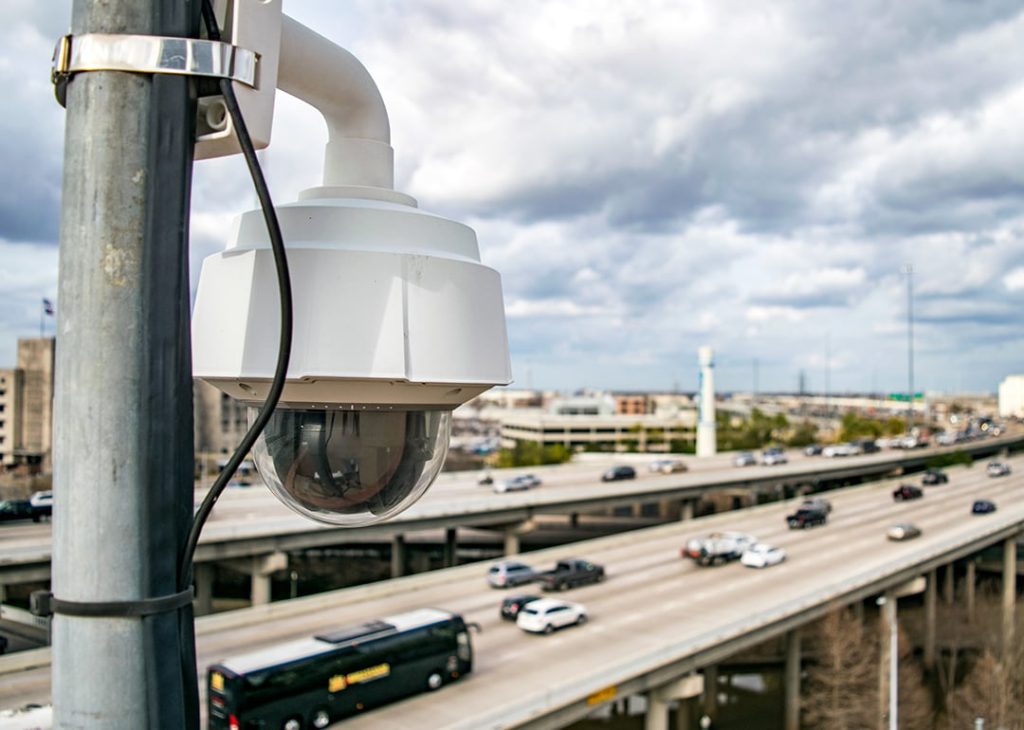
Drivers often experience the frustration of sitting at a red light when no cars are approaching from the other direction. This situation feels like a waste of time, but inefficient roads also waste money. They lead to congestion, accidents, and higher costs for everyone. Intelligent Transportation Systems, or ITS, offer a solution. This technology is not about flying cars or science fiction; it is about making roads smarter, safer, and cheaper to insure.
What is an Intelligent Transportation System?
ITS acts as the nervous system for traffic. It uses a network of sensors, cameras, and communication tools to monitor and manage how vehicles move.
Instead of traffic lights running on a set timer, smart signals can detect how many cars are waiting and adjust the green light to clear the backlog. The system includes Variable Message Signs that warn of accidents ahead before traffic comes to a halt. It also involves Vehicle to Infrastructure technology, where a car can communicate with the road to receive updates on hazards, speed limits, or icy conditions.
Implementation at Every Scale
ITS is not a one size fits all solution. It works on different levels depending on the needs of the community.
On a city level, major metro areas use intelligent signals to fight local gridlock. On a regional scale, broader plans coordinate highways, railways, and public transit to keep people moving across multiple jurisdictions. Highway corridors also benefit, using technology to manage flow on major interstates.
The Safety Connection
The main reason car insurance is expensive is accidents. Crashes cost insurance companies billions of dollars every year in repairs, medical bills, and liability payouts.
ITS targets the root causes of these crashes. Smoothing out traffic flow results in fewer rear end collisions. Warning drivers about blind spots or icy bridges in real time prevents spin outs. Advanced Driver Assistance Systems, or ADAS, can reduce the severity of accidents that do happen. If roads are safer, the number of claims drops. When claims drop, insurance premiums usually follow.
According to Fausto Bucheli Jr, a licensed insurance broker and owner of CheapInsurance.com, the math is clear.
“When drivers compare quotes, they are not just browsing, they are activating competition. Based on current savings data from leading comparison platforms, the average driver could save around $774 dollars per year simply by shopping smarter. That is real money staying in your pocket.”
Efficiency Means Savings
ITS makes the daily drive smoother, not just safer. Less stop and go traffic means less wear and tear on brakes and engines. It also means drivers are less likely to become stressed and aggressive.
This data is valuable for insurance companies. With the rise of usage based insurance, insurers can use telematics to reward drivers who operate in safer, ITS managed environments. Driving on smart roads that actively prevent accidents reduces risk, and rates should reflect that.
CheapInsurance.com by the Numbers
25+
Years of Experience
50+
Insurance Options
50
States Served
$774
Avg. Annual Savings
5M+
Customers Helped
3min
Avg. Quote Time
Data Analysis: Annual Savings from Car Insurance Comparison Sites
The Cost of the Future
Upgrading every intersection and highway is not free. A single smart traffic camera can cost $5,000, and a full intersection upgrade can run upwards of $100,000. Complete solutions for a city can reach into the millions.
However, cities like New York and Los Angeles are investing in this technology because the long term savings are massive. Europe and Asia are also leading the charge, with countries like Japan and Germany adopting ITS to support their growing urban centers.
The Bottom Line
Intelligent Transportation Systems are slowly transforming commuting into a managed, efficient experience. While traffic cannot be controlled completely, technology provides a way to manage it better. As roads get smarter, keeping a car safe and insured should become easier on the wallet.
Founded in California in 1974 as an insurance agency, CheapInsurance.com has spent decades helping people find affordable coverage. Over time, we became one of the first brokerages to go online in 1998, making insurance shopping faster and easier.
Our mission has always been simple: insurance is a basic necessity, not a luxury. That’s why our technology quickly scans the marketplace in seconds, compares rates, and uncovers discounts that might otherwise be missed. In addition, we explain coverage in clear, simple terms.
As a result, people get real options and can avoid overpaying for features they do not need, while still maintaining strong, reliable protection.
Frequently Asked Questions About Intelligent Transportation and Car Insurance
How do intelligent transportation systems impact car insurance rates?
Intelligent transportation systems (ITS) improve traffic flow, reduce accidents, and enhance road safety. Fewer accidents and safer roads can help insurers reduce risk, which may contribute to lower car insurance premiums over time.
Can smart road technology directly lower my insurance premium?
While smart roads alone do not automatically lower individual premiums, they reduce overall accident frequency. Insurance companies may adjust rates over time as safer roads reduce claims in certain areas.
What other factors besides ITS affect car insurance rates?
In addition to road safety improvements, insurers consider driving history, vehicle type, location, age, coverage limits, and credit-based insurance scores when determining rates. ITS is just one component that can indirectly influence costs.
By
Published
Reviewed By
