

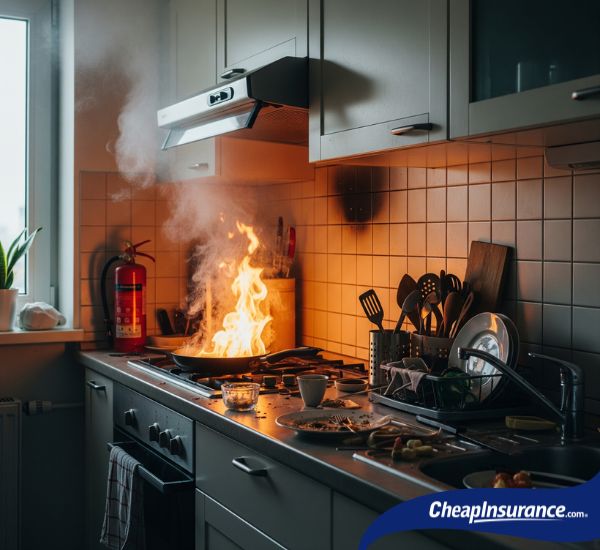
Paying for renters insurance is only half the battle. The real test happens when something actually goes wrong and a claim needs to be filed. Whether it is a kitchen fire, a break in, or a guest getting injured on the property, the way a claim is handled determines the total financial impact. Many renters treat their policy like a “set it and forget it” document, but a lack of preparation can lead to a massive out of pocket loss when disaster strikes.
As Featured in






Breaking Down Standard and Overlooked Coverage
Renters insurance covers the obvious disasters like fire and smoke damage. They also cover theft of personal belongings up to a specific limit. However, the fine print often holds the most important protection.
- Water Damage: This usually covers issues like burst pipes or sewer backups. It does not typically cover outdoor flooding, which requires a separate policy.
- Personal Liability: This is the most underrated part of the plan. If a guest trips and sues for medical bills, liability coverage handles the legal fees and settlements.
- Additional Living Expenses (ALE): If a fire makes an apartment unlivable, ALE pays for hotel stays and meals. Without this, a renter could be homeless while still paying rent on a lease.
The Payout Trap: Replacement Cost vs. Actual Cash Value
When it comes time to collect a check from the insurance company, the “type” of payout matters more than the coverage limit itself.
Actual Cash Value (ACV) is the default for many cheap policies. It pays the depreciated value of an item. For example, a five year old laptop might only be worth $200 in the eyes of an adjuster, even if it costs $1,200 to buy a new one today. This leaves a $1,000 gap that the renter has to cover.
Replacement Cost Value (RCV) is the smarter choice. It pays whatever it costs to buy a brand new, similar item in today’s market. While the monthly premium for RCV is slightly higher, it is the only way to ensure a full financial recovery after a total loss. To make this work, maintaining a digital inventory with receipts and photos is non-negotiable.
How Claims Impact Future Rates
Filing a claim is not free money. Insurance companies track claim frequency and severity. Even if a renter is not at fault for a pipe bursting, the act of filing the claim can trigger a rate increase at renewal.
Filing multiple small claims in a two year window is a major red flag for insurers. It signals that a tenant is high risk, which can lead to a policy being non renewed. Most experts suggest handling small repairs out of pocket if the cost is close to the deductible. Saving the insurance “chip” for a major disaster is the best way to keep long term costs low.
According to Fausto Bucheli Jr, a licensed insurance broker and owner of CheapInsurance.com, renters should focus on value, not just price.
“When renters understand that the renters insurance national average falls between about $170 and $260 per year, they realize how affordable meaningful protection actually is. The key is matching the policy to the building and lifestyle. A high rise apartment with sprinklers may price differently than a suburban townhome. Once you align coverage correctly, renters insurance is often the cheapest financial protection you can buy.”

Finding the Balance of Price and Protection
Finding a policy that actually pays out requires more than just picking the lowest monthly rate.
- The Deductible Lever: Raising a deductible from $250 to $1,000 can slash a monthly premium. This works as long as there is enough cash in a savings account to cover that $1,000 in an emergency.
- The Power of Bundling: Carrying renters and auto insurance with the same company is the fastest way to trigger a 10 to 15% discount.
- Digital Documentation: The easiest way to survive a claim is to have proof. A quick video walk through of the apartment once a year can save thousands of dollars in a negotiation with an adjuster.
Understanding the mechanics of a claim before a fire or theft occurs is the only way to ensure the policy actually works. Renters who take the time to document their assets and choose the right payout type are the ones who come out ahead.
CheapInsurance.com by the Numbers
Renters Insurance
Data analysis: The Annual Price of Renters Insurance
Founded in California in 1974 as an insurance agency, CheapInsurance.com has spent decades helping people find affordable coverage. Over time, we became one of the first brokerages to go online in 1998, making insurance shopping faster and easier.
Our mission has always been simple: insurance is a basic necessity, not a luxury. That’s why our technology quickly scans the marketplace in seconds, compares rates, and uncovers discounts that might otherwise be missed. In addition, we explain coverage in clear, simple terms.
As a result, people get real options and can avoid overpaying for features they do not need, while still maintaining strong, reliable protection.
Frequently Asked Questions About Renters Insurance Claims
What types of damage does renters insurance cover?
Renters insurance typically covers personal property loss or damage caused by fire, theft, vandalism, water damage, and certain natural disasters. Liability coverage is also included if someone is injured in your rental unit.
Do all claims affect my renters insurance premium?
Not always. Small claims may not impact your rates, but multiple claims or significant losses can lead to higher premiums. It's important to weigh whether filing a claim is worth the potential increase in future costs.
How do I file a renters insurance claim?
To file a claim, contact your insurance company as soon as possible. Provide details of the damage or loss, photos if available, and an inventory of affected items. Your insurer will guide you through the claims process and explain any deductible that applies.
