

Being involved in a car accident can be a frightening and stressful experience. The surge of adrenaline and confusion can make it difficult to think clearly. However staying calm and following the correct steps immediately after a collision is critical. Taking the right actions can help protect safety legal rights and financial situations. This article serves as a comprehensive guide walking through what to do after a car crash and how a car insurance policy comes into play.
As Featured in






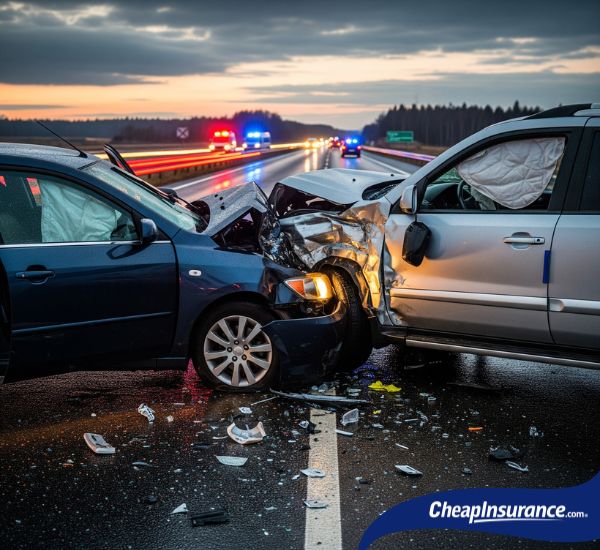
Immediate Steps Safety and Scene Management
The first few minutes after a car accident are the most critical. The primary focus should be on ensuring the safety of everyone involved.
Stop and Assess the Situation Immediately stop the vehicle. Take a deep breath and quickly assess the surroundings. If the car is in the middle of a busy road and can be moved safely pull over to the side or a nearby parking lot to avoid further collisions.
Check for Injuries Check yourself and any passengers for injuries. Even if an injury seems minor it is wise to seek medical attention as soon as possible. Some serious injuries like whiplash may not show symptoms until hours or even days later. If anyone is hurt call 911 immediately.
Secure the Scene Turn on hazard lights to alert other drivers. If available place flares or warning triangles behind the vehicle to provide an additional warning for approaching traffic.
Contacting the Authorities
Even in a minor fender bender calling the police is a crucial step. A police report provides an official third party record of the incident which can be invaluable when dealing with insurance claims.
Call 911 or the Non Emergency Line Report the accident to the police. Explain the location and whether there are any injuries or traffic hazards. The police will file an official accident report which the insurance company will likely request during the claims process.
Document Police Information When the police arrive get the name and badge number of the responding officer or officers. Also ask how to obtain a copy of the official police report.
Gathering Information at the Scene
Once the scene is safe it is necessary to gather as much information as possible from the other driver or drivers and any witnesses. This information will be essential for the insurance claim.
Information to Exchange with Other Drivers
- Full name phone number and address
- Driver license number
- Insurance company name and policy number
- Vehicle make model year and license plate number
Document the Scene Use a phone camera to take clear detailed photos and videos of the accident scene.
- Take pictures of the damage to all vehicles from multiple angles
- Capture images of the license plates of all involved cars
- Photograph the entire scene including skid marks traffic signals road conditions and any relevant landmarks
Record Witness Information If anyone witnessed the accident politely ask for their name and contact information. A third party perspective can be very helpful if there is a dispute over who was at fault.
A crucial rule to remember is to never admit fault. Even if a driver thinks they were to blame statements like I am so sorry that was my fault can be used against them by the other party insurance company to deny a claim. Simply state the facts and stick to exchanging information.
Filing an Insurance Claim
After securing the scene and gathering information the next step is to contact the insurance company. Do not delay this step.
Report the Accident Immediately Call the insurance company claims hotline. Most insurers have a 24/7 service. Providing a prompt report can speed up the process and show that the driver is acting in good faith.
Provide a Detailed Account Be prepared to give a detailed factual account of what happened. Share the information collected from the other driver and any witnesses.
Cooperate with the Adjuster An insurance adjuster will be assigned to the case. This person will investigate the claim assess the damage to the vehicle and determine who was at fault. Cooperating fully with the adjuster is important for a smooth claims process.
Do You Need Collison and Comprehensive Coverage?
Fausto Bucheli Jr, licensed insurance broker and owner of CheapInsurance.com, recommends: “Collision and comprehensive coverage should protect your financial stability, not drain it. If your car is older and paid off, adjusting or removing these coverages can reduce your car insurance costs by hundreds of dollars per year without increasing your real financial risk.”

| Scenario | Recommendation |
|---|---|
| Car is financed or leased | Yes – Required by lender |
| Car worth >$4,000 and you can’t afford to replace it | Yes – Strongly recommended |
| Car worth <$3,000 and you have emergency savings | Optional – Consider dropping |
| Older vehicle paid off with low value | Optional – Liability only may be enough |
How an Accident Can Affect Your Car Insurance
It is a common concern regarding whether car insurance rates will go up after an accident. The answer is often yes but the extent of the increase depends on several factors.
Fault Determination If a driver is found to be at fault for the accident premiums are likely to increase. If they are not at fault the impact on rates may be minimal or non existent depending on the insurer policies.
Driving History A clean driving record can help mitigate the increase after a first at fault accident. However a history of multiple accidents or moving violations will likely result in a more significant rate hike.
Severity of the Accident The total cost of damages and medical bills from the accident will influence the rate increase. A major accident with extensive property damage and injuries will have a larger impact than a minor fender bender.
Understanding Your Car Insurance Coverages
Familiarizing yourself with the policy is vital to knowing what to expect. Here is a breakdown of the key coverages that come into play after an accident.
Liability Coverage This is the most common type of required coverage. It pays for damages and injuries caused to others in an at fault accident.
- Bodily Injury Liability Covers the medical expenses and lost wages of people injured in the other vehicle.
- Property Damage Liability Covers the cost of repairing or replacing the other driver vehicle or any other property damaged.
Collision Coverage This optional coverage pays to repair or replace the insured vehicle if it is damaged in a collision with another car or object regardless of who was at fault. If leasing or financing a car the lender will likely require this coverage.
Comprehensive Coverage This optional coverage protects the vehicle from non collision related damages such as theft vandalism fire or damage from a natural disaster.
Uninsured and Underinsured Motorist Coverage This is a critical optional coverage.
- Uninsured Motorist Pays for medical bills and property damage if involved in an accident with a driver who has no insurance at all.
- Underinsured Motorist Kicks in when the at fault driver has insurance but their coverage limits are not high enough to pay for all damages.
Knowing policy limits and deductibles for each of these coverages will help drivers understand their financial responsibilities after an accident.
The Importance of a Police Report
It may be tempting to skip the police report for a minor accident with no visible damage. However it is always a good idea to file one.
Hidden Damages Sometimes internal or structural damage to a vehicle is not immediately obvious. A police report provides a timestamped record in case a claim needs to be filed for hidden damages later.
Legal Protection The police report serves as an official unbiased document that can protect against false claims or disputes down the line.
Hit and Run If the other driver flees the scene a police report is essential to file a claim under Uninsured Motorist coverage.
By staying calm gathering the necessary information and promptly contacting the insurance provider drivers can navigate the difficult aftermath of a car accident more effectively and protect themselves financially.
CheapInsurance.com by the Numbers
Data Analysis: Annual Savings from Car Insurance Comparison Sites
Founded in California in 1974 as an insurance agency, CheapInsurance.com has spent decades helping people find affordable coverage. Over time, we became one of the first brokerages to go online in 1998, making insurance shopping faster and easier.
Our mission has always been simple: insurance is a basic necessity, not a luxury. That’s why our technology quickly scans the marketplace in seconds, compares rates, and uncovers discounts that might otherwise be missed. In addition, we explain coverage in clear, simple terms.
As a result, people get real options and can avoid overpaying for features they do not need, while still maintaining strong, reliable protection.
Frequently Asked Questions After a Car Accident
What should I do immediately after colliding with another car?
After a collision, check for injuries and call emergency services if anyone is hurt. Move vehicles out of traffic if it is safe, turn on hazard lights, and exchange information with the other driver. Taking photos of the scene and contacting your insurance company as soon as possible can help protect your claim.
Should I call the police after a car accident?
Calling the police is recommended for most accidents, especially if there are injuries, significant vehicle damage, or disputes about what happened. A police report can provide an official record that may be useful when filing an insurance claim or resolving fault questions.
When should I contact my insurance company after an accident?
You should notify your insurance company as soon as possible after the accident, even if you believe you were not at fault. Prompt reporting helps ensure the claims process moves smoothly and allows your insurer to guide you on next steps, repairs, and potential coverage options.
