

QUICK ANSWER
Insurance premiums vary significantly by engine type due to differences in repair costs and vehicle complexity. While traditional gasoline cars have well established rates, hybrids may cost slightly more to insure because of their dual power systems. Electric vehicles often carry higher premiums due to expensive battery replacements and specialized repair needs, though advanced safety features can sometimes offset these costs. Usage based insurance programs offer a way for drivers of any vehicle type to lower rates based on actual driving habits.
As Featured in






Deciding between a gas guzzler, a hybrid, or a fully electric ride involves a lot more than just picking a fuel pump or a charging station. It also means figuring out how that choice changes the price of car insurance. The market shifts constantly especially as new tech hits the road. While things like a driving record or zip code stay important the specific engine type introduces a whole new set of variables that change the final price tag.
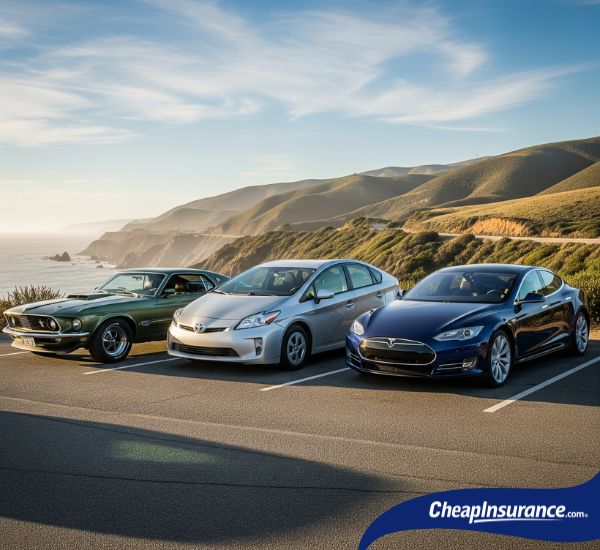
Engine Type and Insurance Costs
Insurance companies look closely at what powers a vehicle when they crunch the numbers. Here is how they typically view the different options.
Internal Combustion Engine Vehicles
These are the standard gas powered cars seen everywhere. The rates for these vehicles are pretty predictable since insurers have decades of data to work with. Premiums usually depend on engine size horsepower and the total value of the car. If a driver picks a luxury model or a high performance sports car the price goes up because those are harder to fix and more likely to get stolen.
Hybrid Vehicles
Hybrids mix a gas engine with an electric motor. While they save money on gas they sometimes cost a bit more to insure than a standard car. The main reason is complexity. having two power systems means repairs can get complicated and parts can be expensive. On the flip side some insurance companies offer discounts for green vehicles because they know hybrid owners often drive more carefully and the cars have lower environmental impact.
Electric Vehicles
EVs are the newest group on the road and insurance pricing for them is still settling down. Some companies charge more simply because replacing a battery is a massive expense and there is less long term data on repair costs. However many electric cars come loaded with high end safety tech that prevents accidents which helps pull the premium back down. The cost of that battery remains a huge factor in collision and comprehensive coverage pricing.
According to Fausto Bucheli Jr, a licensed insurance broker and owner of CheapInsurance.com, the math is clear.
“When drivers compare quotes, they are not just browsing, they are activating competition. Based on current savings data from leading comparison platforms, the average driver could save around $774 dollars per year simply by shopping smarter. That is real money staying in your pocket.”
The reason comparison sites can generate this level of savings is simple. Insurance companies price risk differently. One carrier may heavily penalize a prior claim, while another may be more forgiving. One company may offer strong discounts for safe driving or bundling, while another may focus on credit based pricing or mileage driven.
Key Factors Influencing Your Premium
The engine matters but it is not the only thing that decides the bill. A few other major details play a huge role regardless of how the car moves.
Vehicle Specific Attributes
- Make and Model High end luxury cars or fast sports cars always cost more to insure whether they run on gas or electricity. They just cost more to fix.
- Safety Features Modern tech like automatic emergency braking and lane departure warnings can lead to serious discounts. These features used to be exclusive to hybrids and EVs but are showing up in gas cars now too.
- Repair and Replacement Costs Insurers look at how hard it is to get parts. EVs can sometimes be pricier here because they need specialized labor and specific components.
Driver Specific Factors
- Driving History A clean record with no tickets or accidents is the best way to get a low rate.
- Location Living in a city with heavy traffic and high crime usually means paying more than someone living in a quiet rural town.
- Age and Gender Younger drivers with less experience almost always see higher rates.
- Credit Score In many places a solid credit score is seen as a sign of responsibility and leads to lower insurance costs.
Embracing Technology for Savings
Connected cars are opening up new ways to drop that monthly bill.
Telematics
Telematics programs use a small device or a phone app to track how a person actually drives. They look at speed braking and total miles driven. This data helps insurers build a price based on real behavior rather than averages. For drivers who want to be green this is a great tool because it rewards safe habits and low mileage regardless of what engine is in the car. Driving less drops the accident risk which drops the price.
Usage Based Insurance
This model is often called pay as you drive. The premium is based directly on how often and how safely the car is used. It is a perfect fit for people who do not drive much as it guarantees they are not paying for coverage they do not need. It works especially well for those who only use their efficient car for short trips around town.
The Bottom Line
There is no single answer for every driver when it comes to insurance. While EVs and hybrids have unique traits that move the price needle they do not automatically guarantee a higher bill. The money saved on gas and maintenance over the years often outweighs a slightly higher premium anyway.
The smartest move is to shop around and compare quotes from several different companies. Asking specifically about discounts for green vehicles or safety features is always worth the time. The insurance world is becoming more flexible and data focused so staying informed is the best way to keep costs down no matter what type of car is in the driveway.
CheapInsurance.com by the Numbers
Data Analysis: Annual Savings from Car Insurance Comparison Sites
Founded in California in 1974 as an insurance agency, CheapInsurance.com has spent decades helping people find affordable coverage. Over time, we became one of the first brokerages to go online in 1998, making insurance shopping faster and easier.
Our mission has always been simple: insurance is a basic necessity, not a luxury. That’s why our technology quickly scans the marketplace in seconds, compares rates, and uncovers discounts that might otherwise be missed. In addition, we explain coverage in clear, simple terms.
As a result, people get real options and can avoid overpaying for features they do not need, while still maintaining strong, reliable protection.
Frequently Asked Questions About Car Insurance Costs for ICE, Hybrid, and EV Vehicles
Do electric vehicles cost more to insure than traditional cars?
Yes, electric vehicles (EVs) often have higher insurance costs than traditional internal combustion engine (ICE) cars. This is due to higher repair costs, specialized parts, and battery replacement expenses, which can increase claim payouts for insurers.
How do hybrid vehicles compare in insurance costs?
Hybrid vehicles usually fall between ICE cars and EVs in terms of insurance cost. They often have higher repair costs than ICE cars because of dual powertrains, but typically lower than full EVs, resulting in moderate insurance rates.
Can I reduce my insurance costs for an EV or hybrid?
Yes, you can lower your insurance costs by comparing multiple quotes, selecting appropriate coverage levels, increasing deductibles, and taking advantage of discounts for safe driving, bundling policies, or installing safety features in your vehicle.
