


QUICK ANSWER
An SR22 filing is basically a way for your insurance company to let the state DMV know that you’re keeping active liability coverage in place. It’s less about the policy itself and more about proof that you’re insured.
If you cancel your policy or let it lapse for any reason, your insurer must notify the state by sending an SR26 form. That notification can prompt the state to suspend your license, since officials at the DMV no longer have confirmation of insurance coverage.
Most drivers try to keep a clean record, but serious violations can sometimes lead to a state requirement called a certificate of financial responsibility. This is filed as an SR22 or FR44, depending on where you live. It is not extra insurance, it’s simply a form your insurer files with your state. This confirms you posses at least the minimum liability insurance coverage state law requires.
The DMV And Future Insurance Underwriters
When an SR22 is filed, communication between an insurance company and the state happens electronically.
Department Of Motor Vehicles (DMV)
Insurance providers send an SR22 directly to the DMV to confirm insurance coverage. This enables the state to reinstate suspended license.
The SR-26 Notice
If your policy lapses or it is canceled, your insurance company must notify the state with an SR-26 form. This also informs the DMV that you no longer have insurance coverage. The state now suspends the drivers license.
Future Insurance Coverage
When you apply for insurance coverage after an SR-22, insurance companies will review the driving record to determine your risk level. Depending the state of residence, a violation that triggered the SR-22 requirement remains visible for three or up to ten years. This enables the insurance company evaluate risk for prices and eligibility.
CheapInsurance.com by the Numbers
50+
Years of Experience
50+
Insurance Options
50
States Served
$821
Avg. Annual Savings
5M+
Customers Helped
3min
Avg. Quote Time
Data Analysis: Annual Savings from Car Insurance Comparison Sites
Video Transcript
The following is a transcript of the video above. It has been lightly formatted for readability.
Jaclyn, I just had to file an SR-22. I feel like there’s a giant red neon sign over my car that says “high risk.” Does everyone now know?
Calm down, Tito. It’s not like it’s being broadcast on the evening news. But there is a specific circle of trust that gets notified.
Okay, so who’s in the circle? My neighbors? My mom?
No. First is the DMV. Your insurance company sends the SR-22 electronically to prove you’re covered. It’s actually what helps you get your license back.
Okay, DMV. That’s fair. Who else?
Well, the SR-26.
The what now?
If you miss a payment and your insurance cancels, your company is legally required to tell the DMV immediately via an SR-26 form. That usually leads to a quick license suspension.
What about my boss? I drive the company van sometimes.
That’s where it gets tricky. Many companies use pull notice programs. If your license status changes or you get a DUI, the DMV sends an automatic notice to your employer.
Wait, so they’ll find out before I even tell them?
Exactly. It’s always better to be the one to break the news than have an automated email do it for you.
And what about other insurance companies?
Oh, they’ll see it. Anytime you get a new quote, they’ll pull your record. The violation stays there for 3 to 10 years. It’s a red flag that can keep your premiums high.
Is there a way to save money while I have this?
Actually, yes. If your car is older and paid off, you might consider dropping collision coverage to save hundreds.
Okay, so DMV knows, boss might know, and I need to stay on top of my payments.
Spot on. And if you want to find the best rates, even with an SR-22, you know where to go. Check out CheapInsurance.com.
Employment Risks And The Pull Notice Program
It is normal to feel concerned regarding whether any concerns regarding driving will influence your work, particularly if you have a profession where you need to be driving. Normally, driving information is kept confidential for the general population. However, there are certain sectors where companies get access to such information.
Automated Driver Monitoring
Companies that manage fleets or require employees to drive for work often enroll in a DMV Pull Notice Program. The DMV automatically notifies these companies when something significant changes on a driver’s record, such as a DUI conviction, license suspension, or an SR‑22 filing requirement.
Understanding how tickets impact your driving record is essential, as even minor violations can alter your standing. In such situations, the DMV issues an official notice to the employer. From the employer’s perspective, this risk-management strategy ensures that every employee who drives on duty holds a valid license and proper insurance.
What this means for you
If you drive for work, your employer may discover any license violation or modification very quickly, even before you can explain the situation. Checking your driving history regularly helps you avoid unwanted career surprises.
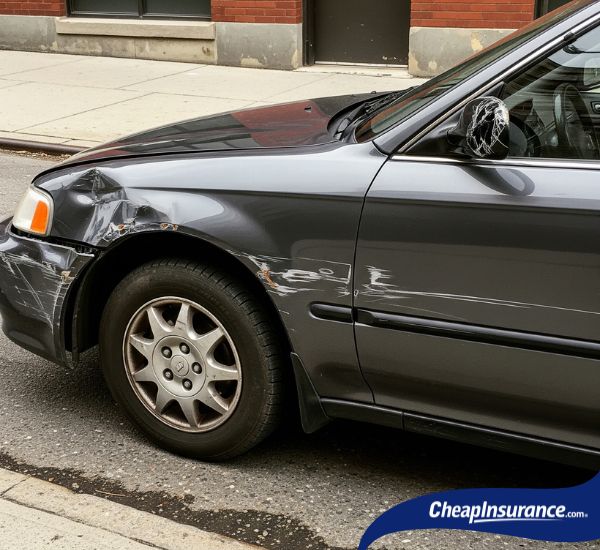

Fausto Bucheli Jr, licensed insurance broker and owner of CheapInsurance.com recommends: “Collision and comprehensive coverage should protect your financial stability. If your car is older and paid off, adjusting or removing these coverages can reduce your car insurance costs by hundreds of dollars per year without increasing financial risk.”

The Repair And Risk Paradox
There’s a bit of a contradiction built into the system when it comes to risk and insurance costs. On one hand, an SR22 is meant to show that a driver is financially responsible and carrying the required coverage. On the other hand, simply having that filing on your record often leads to higher insurance premiums.
It’s similar to what happens with modern cars and advanced safety features. A vehicle might be safer on the road, but when an accident does occur, mechanics find it more complex and expensive to repair. In the same way, an SR22 helps a driver stay legally insured, but it still signals a higher‑risk profile to insurance companies.
From an underwriting point of view, underwriters often see the SR22 filing as a warning sign. It shows that the driver had driving problems in the past and could be more likely to cause problems in the future. Even though the driver now follows all state rules about responsibility, insurers still see them as a higher risk. That’s why policies with an SR22 requirement usually cost more.
Action Plan For Managing A Driving Record
If you are dealing with an SR22, taking proactive steps helps prevent problems at work or later on. A few simple habits can make a difference.
Review Your Employee Handbook
If your job involves driving, check whether your employer requires you to report changes to your license status. In some cases, disclosing the SR22 situation yourself first works best.
Confirm The Filing Is Actually Active
Do not assume the state has set everything up once the insurance company submits the form. Check with the DMV online or by phone to make sure the DMV has properly placed the SR22 on record.
Avoid An SR‑26 Situation
Missed payments are one of the most common ways people run into trouble. Setting up autopay helps prevent a lapse that could trigger an SR‑26 and restart your required filing period.
Check Your Driving Record Regularly
Request a copy of your motor vehicle record once a year. This helps you confirm that the state is still tracking the SR22 requirement correctly and that the DMV removes it as soon as you complete the required duration.
Taking a few of these steps makes it easier to stay compliant, avoid surprises, and eventually return to a low-cost car insurance profile.

Founded in California in 1974 as an insurance agency, CheapInsurance.com has spent decades helping people find affordable coverage.
Over time, we became one of the first brokerages to go online in 1998, making insurance shopping faster and easier. Our mission has always been simple: insurance is a basic necessity, not a luxury. Specifically, our technology quickly scans the marketplace in seconds, compares rates, and uncovers discounts you might otherwise miss. Additionally, we explain coverage in clear, simple terms.
Because of this, people get real options and can avoid overpaying for features they do not need, while still maintaining strong, reliable protection.
Frequently Asked Questions About SR22 Driving Records
Who is notified when an SR22 is filed?
When an SR22 is filed, your state’s Department of Motor Vehicles is automatically notified. Insurance companies may also notify other relevant authorities or your lender if required by law.
Does filing an SR22 affect my car insurance rates?
Yes, having an SR22 usually indicates a higher risk to insurers, which can result in higher car insurance rates. Maintaining the SR22 for the required period and a clean driving record may help reduce costs over time.
Can other people see my driving record after an SR22 is filed?
Only authorized entities, such as insurance companies, state agencies, and certain employers for driving-related jobs, can access your driving record. The SR22 filing itself is not public information for general access.
Fausto Bucheli Jr
President/Owner of Cheap Insurance Agency
Meet Fausto, the President and Owner of CheapInsurance.com.
CA license number 0E59876, NPN: 8282775
With an MBA in Marketing and a licensed insurance broker in California, Fausto is a trusted source in the insurance industry.
His deep knowledge of car insurance, especially in the automotive sector, allows him to effectively understand and address customer challenges.
At CheapInsurance.com, Fausto's mission is to educate customers, help them find the best coverage at the right price, and connect them with reputable insurance carriers.
With a passion for marketing, Fausto leverages his skills and industry expertise to bridge the gap between customers and outstanding insurance options.
Through sharing his knowledge, he empowers customers to make informed car insurance decisions.
When you choose CheapInsurance.com, you can trust that Fausto and his team will guide you toward the best car insurance coverage, ensuring peace of mind and protection on the road ahead.
Jaclyn Schiavo
Content, Graphics & Marketing Analyst
A 2023 graduate of California State University, Northridge, with a degree in Business Management and Marketing, Jaclyn brings a creative and strategic approach to the team at Cheapinsurance.com. She produces both informative articles and compelling visuals for the company's website and blog. Her primary goal is to help people understand insurance by creating a clear, beautiful, and engaging space where they can make informed decisions.