

QUICK ANSWER
Drivers with a poor record can find affordable coverage by comparing quotes from non standard carriers that specialize in high risk policies. Taking a defensive driving course and increasing the deductible are effective ways to lower premiums immediately. Over time improving credit scores and maintaining a clean driving history will help graduate back to standard insurance rates.
As Featured in






Securing a reasonable insurance rate becomes a major challenge when a driving record includes accidents, tickets, or a low credit score. These marks lead insurance companies to label a person as high risk. This classification naturally results in higher premiums. However, obtaining affordable car insurance with a less than perfect record is possible with a strategic approach and an understanding of the current market.
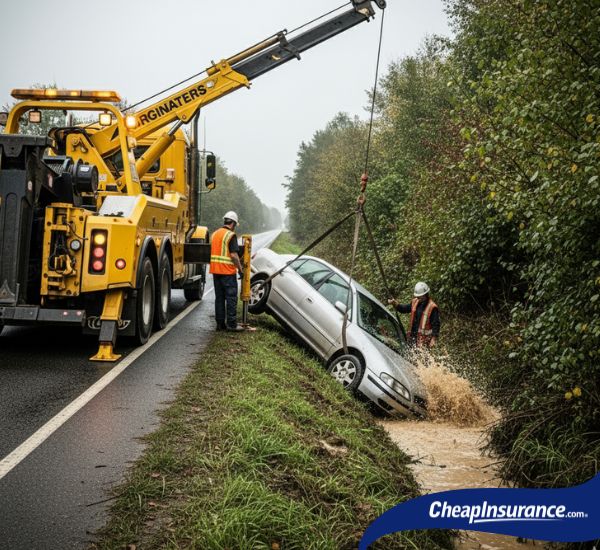
Defining High Risk Auto Insurance
High risk insurance is a specific type of policy for people who do not qualify for standard coverage. Not every company offers these policies. High risk drivers often face much higher costs because insurers expect more frequent claims from this group.
A driving history has a direct impact on these monthly costs. A single accident can cause a rate hike, while a DUI can lead to a massive increase. In many cases, these violations also require state mandated filings:
- SR-22 Insurance: This is a certificate of financial responsibility that an insurer files with the DMV to prove a driver has minimum liability coverage.
- FR-44 Certificate: Used in Florida and Virginia, this requires much higher liability limits than the standard state minimums.
- FR-19 Certificate: A form used specifically in Maryland to verify active insurance coverage.
Crucial Factors for Choosing a Policy
When looking for a high risk policy, several factors deserve attention. Coverage quality is vital. High risk policies sometimes require more comprehensive protection than standard ones. It is important to review the details to ensure the protection is adequate.
The reputation of the company matters as well. It is best to work with insurers known for transparency and support for drivers in this category. Honesty about driving history is also necessary. Providing accurate data ensures the quote is realistic and prevents future coverage issues.
Strategies to Lower High Risk Premiums
A bad record does not mean a person is stuck with high rates forever. Several methods can help bring these costs down over time.
Comparing quotes from multiple providers is the most effective step. Every company uses a different formula to measure risk. A rate from one provider might be hundreds of dollars cheaper than another. Independent agents or online tools can help simplify this search.
Adjusting the deductible is another way to manage costs. Choosing a higher deductible lowers the monthly premium. This requires having enough cash on hand to cover that higher amount if an accident happens.
According to Fausto Bucheli Jr, a licensed insurance broker and owner of CheapInsurance.com, the math is clear.
“When drivers compare quotes, they are not just browsing, they are activating competition. Based on current savings data from leading comparison platforms, the average driver could save around $774 dollars per year simply by shopping smarter. That is real money staying in your pocket.”
The reason comparison sites can generate this level of savings is simple. Insurance companies price risk differently. One carrier may heavily penalize a prior claim, while another may be more forgiving. One company may offer strong discounts for safe driving or bundling, while another may focus on credit based pricing or mileage driven.
Available Discounts for Every Driver
Even high risk drivers can qualify for specific discounts. These savings help balance out the higher base rates.
- Defensive Driving: Taking a state approved defensive driving course can improve skills and trigger a discount.
- Bundling: Combining car and home insurance with one company usually leads to lower total costs.
- Anti-Theft Gear: Installing approved safety devices can lower the cost of comprehensive coverage.
- Telematics: Usage based programs track driving habits through an app. Consistent safe driving can lead to significant rate reductions regardless of past mistakes.
Long Term Improvements
Credit scores play a huge role in insurance pricing in most states. Improving a credit score by paying bills on time can eventually lead to lower insurance bills.
Finding affordable coverage requires research and a proactive mindset. By understanding the factors that drive premiums and using available discounts, a driver can stay protected without overpaying. Over time, consistent safe driving habits will allow a person to move back into the standard market with much lower rates.
CheapInsurance.com by the Numbers
Data Analysis: Annual Savings from Car Insurance Comparison Sites
Founded in California in 1974 as an insurance agency, CheapInsurance.com has spent decades helping people find affordable coverage. Over time, we became one of the first brokerages to go online in 1998, making insurance shopping faster and easier.
Our mission has always been simple: insurance is a basic necessity, not a luxury. That’s why our technology quickly scans the marketplace in seconds, compares rates, and uncovers discounts that might otherwise be missed. In addition, we explain coverage in clear, simple terms.
As a result, people get real options and can avoid overpaying for features they do not need, while still maintaining strong, reliable protection.
Frequently Asked Questions About Car Insurance for Bad Drivers
Can drivers with a bad record still get car insurance?
Yes. Drivers with a history of accidents or violations can still obtain car insurance, though options may be limited. Many insurers offer coverage specifically for high-risk drivers, sometimes requiring an SR22 filing or higher rates to maintain coverage.
What factors affect insurance rates for bad drivers?
Insurance rates for drivers with poor records are influenced by past accidents, traffic violations, claims history, and credit-based factors. Insurers may also consider the type of vehicle, mileage, and location when determining rates for high-risk drivers.
How can I find affordable insurance despite a bad driving record?
You can reduce costs by comparing quotes from multiple insurers, maintaining continuous coverage, raising deductibles, enrolling in defensive driving courses, and exploring state-specific programs or discounts for safe driving and low mileage.
By
Published
Reviewed By
