



QUICK ANSWER
Commercial insurance provides a safety net for businesses by covering costs related to lawsuits, property damage, and employee injuries. Essential policies include general liability for third party claims, commercial property insurance for physical assets, and workers compensation for staff injuries. In the event of a disaster like a fire or storm, business interruption insurance can also replace lost income to help the company stay afloat during repairs.
AS FEATURED IN

Running a business involves more than just daily operations. It means protecting everything built against the unexpected. Fire theft lawsuits and natural disasters disrupt work and lead to major financial loss. CheapInsurance.com explores how commercial insurance acts as a safety net.
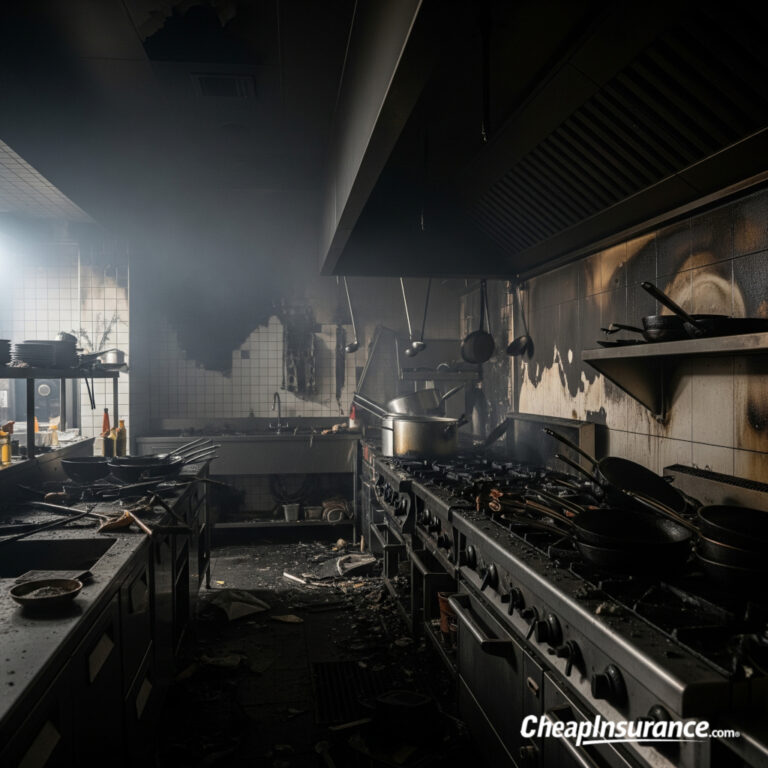
What Is Commercial Insurance and Why Your Business Needs It
Commercial insurance refers to policies designed specifically for businesses. It covers risks that affect property employees or financial stability.
Key Reasons for Coverage
- Legal Obligations Many landlords lenders and clients require proof of coverage.
- Asset Protection Insurance prevents paying entirely out of pocket after an accident or lawsuit.
- Trust Building Being insured shows customers and partners that the business is responsible.
Without the right coverage a single event could force a business to shut down.
Common Types of Commercial Insurance
Policies serve specific purposes based on the needs of the business.
General Liability Insurance This covers third party claims of injury property damage or advertising injury. It is a foundational policy for most companies.
Commercial Property Insurance This protects physical assets. It covers buildings equipment and inventory from losses due to fire theft or vandalism.
Workers Compensation Insurance Most states require this policy. It covers medical expenses and lost wages if an employee gets injured on the job.
Business Interruption Insurance This replaces lost income if the business must close temporarily due to a disaster. It covers operating expenses like rent and payroll.
Professional Liability Insurance This covers claims of negligence or mistakes in professional services. Consultants and service providers rely on this coverage.
Commercial Auto Insurance This policy covers vehicles used for business purposes. It includes liability and physical damage protection.
How Commercial Insurance Helps During a Lawsuit
Legal disputes can be financially devastating. Defending a company and paying settlements costs a lot of money.
Protection in Action
- General Liability pays legal fees and settlements for third party injuries.
- Professional Liability protects against claims of errors or omissions.
Without coverage the business owner pays these costs alone. A single lawsuit can bankrupt a small business but the right policy defends the company without risking everything.

Jaclyn Schiavo, Insurance Analyst for CheapInsurance.com, shared professional insight on the importance of understanding these costs:
“For many independent contractors and small business owners, insurance isn’t just a regulatory requirement, it’s a strategic investment in longevity and credibility. Understanding commercial business insurance prices helps business owners allocate their resources wisely, ensuring they’re neither underinsured nor overpaying. When comparing quotes, small business owners should look beyond price and consider policy features, provider reputation, and specific risk exposures. A well‑structured policy can prevent an isolated incident from becoming a business‑ending event.”
Supporting Business Continuity After a Crisis
A storm or fire can halt operations. Loss of income creates long term challenges even if physical damage is temporary.
Staying Afloat Business interruption insurance replaces lost income during a forced closure. It ensures bills get paid while operations are suspended. This coverage gives the business time to recover without closing permanently.
Protection from Natural Disasters and Theft
Commercial insurance offers protection against specific external threats.
Property Risks
- Theft and Vandalism Insurance pays to replace stolen equipment or repair damage from a break in.
- Natural Disasters Standard policies cover fire and wind. Flood or earthquake coverage often requires a separate policy or endorsement.
Being proactive means recovering faster. The policy helps rebuild instead of scrambling to replace lost items.
Protecting a business goes beyond daily work. Risks strike at any time. Commercial insurance offers a practical solution by covering the unexpected and keeping operations stable.
CheapInsurance.com by the Numbers
Commercial Insurance
25+
Years of Experience
50+
Insurance Options
50
States Served
$3,593
Commercial Auto Avg. Annual Cost
$711
Independant Contractors Insurance Avg. Annual Cost
5min
Avg. Quote Time
Founded in California in 1974 as an insurance agency, CheapInsurance.com has spent decades helping people find affordable coverage. Over time, we became one of the first brokerages to go online in 1998, making insurance shopping faster and easier.
Our mission has always been simple: insurance is a basic necessity, not a luxury. That’s why our technology quickly scans the marketplace in seconds, compares rates, and uncovers discounts that might otherwise be missed. In addition, we explain coverage in clear, simple terms.
As a result, people get real options and can avoid overpaying for features they do not need, while still maintaining strong, reliable protection.
Frequently Asked Questions About Commercial Insurance
What types of coverage are included in commercial insurance?
Commercial insurance can include general liability, property coverage, professional liability, workers' compensation, and business interruption insurance. These coverages protect your business from financial losses due to accidents, lawsuits, property damage, or unforeseen disruptions.
Why is commercial insurance important for a business?
Commercial insurance helps businesses manage risk by providing financial protection against unexpected events. Without it, businesses could face devastating losses from lawsuits, property damage, employee injuries, or interruptions that disrupt operations.
Can commercial insurance premiums change over time?
Yes, premiums can change based on factors such as business size, industry risk, claims history, and coverage limits. Staying proactive with risk management and maintaining a strong safety record can help keep premiums more stable.
By
Published
Reviewed By
